

The best things to do in Wick: Our 6 highlights
Planning a visit to Wick in the Highlands, Scotland? You’ll find there’s far more to this historic coastal town than first meets the eye. It sits along the famous North Coast 500 route and acts as a popular stop for travellers, with plenty to see and do for all ages.
And if you’re looking for somewhere to stay, choose the Ulbster Arms Hotel for a comfortable base close to many of the region’s top attractions. This four-star hotel offers well-appointed rooms, an à la carte restaurant, a bar, and a library for downtime after a day of exploring. However, if you’re visiting during the peak summer months, it’s worth booking early. And if you’re planning a winter or autumn visit, we have year-round availability.
Once your stay is sorted, you can start planning your trip with our pick of the best things to do in Wick, Caithness, starting with a fantastic Scottish castle.
Visit the Castle of Old Wick ruins
Perched on the cliffs overlooking the North Sea, the Castle of Old Wick (locally known as ‘Old Man of Wick’) is one of Scotland’s oldest surviving castles.
It’s believed to have been built by Earl Harald Maddadson in the 12th century. However, much of the surviving masonry is generally thought to date from the 15th century or later. This suggests the castle may have undergone constant expansion and development over the centuries.
Sadly, coastal erosion has caused parts of the seaward-facing walls to collapse. Today, all that remains is its four-storey tower, which once would have dominated the coastline.
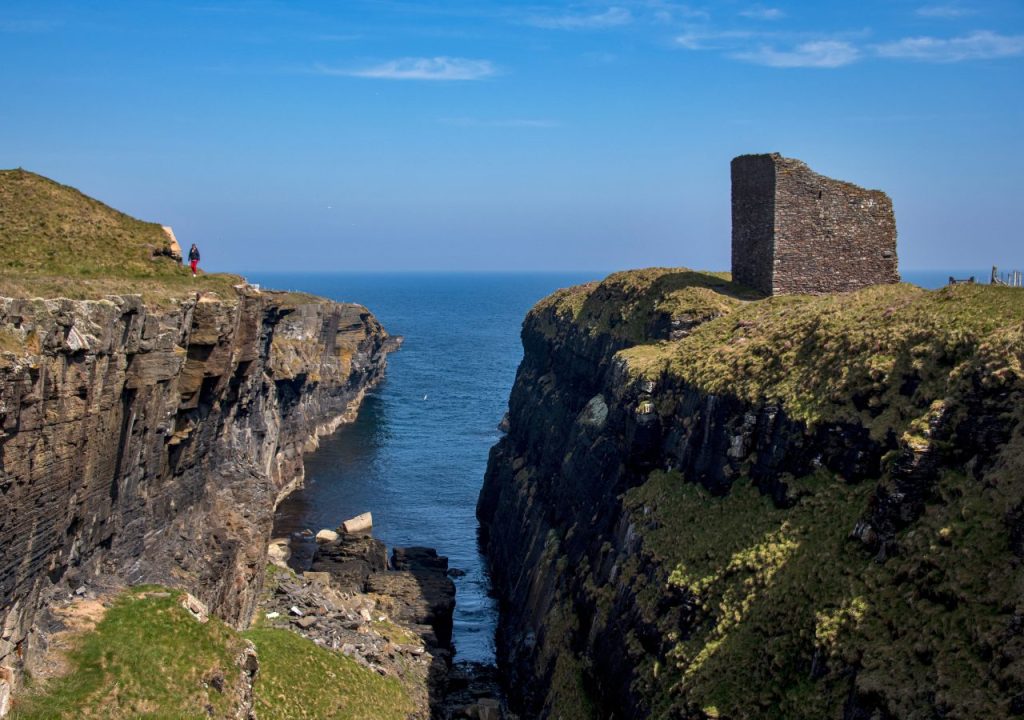
If you’re planning on heading to The Castle of Wick during the summer months, it’s worth organising your Wick accommodation early. Just a short drive away is the Ulbster Arms, rated among the best hotels in Wick, Scotland, and the surrounding regions.
Stroll along Wick harbour

Wick Harbour was once among the most important herring ports in Europe. That boom period in the 19th century shaped much of the town you see today. Although its scale has changed dramatically over the centuries, the harbour is still home to working fishing boats and small leisure vessels. Visitors flock here to get a real insight into the town’s seafaring past.
While strolling along the waterfront, you’ll spot a few key historic buildings. Firstly, the red herring mart, which was constructed in 1892 and is particularly notable as Scotland’s first purpose-built fish sales facility. Close by is the former 1915 lifeboat shed. You’ll also come across the information board, detailing how the harbour once held tightly packed fleets of herring boats at its peak.
Staying somewhere local like the Ulbster Arms means you’re close enough to visit the waterfront whenever you wish to get away from it all. You can easily slip out for a slow morning stroll or a relaxed evening and watch the world go by.
Take a tour of Old Pulteney Distillery
Whisky enthusiasts will be in their element with a visit to the Old Pulteney Distillery. Established in 1826, it stands as one of Scotland’s most northerly mainland distilleries. Its location right beside the harbour has also played a real role in shaping the identity and flavour of its whiskey production. Often called the “maritime malt,” Old Pulteney is known for its subtle hint of saltiness. It carries a subtle nod to the North Sea and the town’s sailing heritage.
Guided tours take you behind the scenes of each stage of production. You’ll see everything from the early stages of milling and mashing, right through fermentation and distillation in the traditional copper stills. Finally, it’s onto the ageing process in oak casks.

And of course, it all wraps up in the best possible way – with a tasting! At the end of the tour, you’ll get to try a few different expressions of cask and age.
If you’re keen to explore more local whiskies, head back to the lounge bar at the Ulbster Arms Hotel. You’ll find a solid selection of Scottish whiskies on offer, including well-known Highland drams alongside smaller regional producers.
Take a selfie on the world’s shortest street!
Measuring just 6 feet 9 inches long, Ebenezer Place in Wick officially holds the Guinness World Record for the shortest street in the world. If you’re based nearby at the Ulbster Arms, it’s well worth working into your itinerary while you’re in the area.
You’ll find it tucked into the corner of a building rather than running between rows of houses. However, it’s easy to walk past without even noticing it, so keep your eyes peeled.
The “street” itself consists of a single address sign on the side of what was once Mackays Hotel. When the building was constructed in the 1880s, it was required to have a registered street name.
Today, visitors actively seek it out as a quirky photo stop in the town centre. This makes it one of Wick’s most talked-about curiosities.
Visit the Wick Heritage Museum
If you want to explore the history of the town, spend an afternoon at the Wick Heritage Museum. And for those staying at the Ulbster Arms, this attraction works well as part of a full day out in Wick. From the hotel’s location in Halkirk, you’ll reach the museum in as little as 25 minutes by car.
Set across a group of historic buildings in Pulteneytown, the museum traces Wick’s journey from a small coastal community to one of the busiest herring ports in Europe. It was first established in 1971 and has grown into a detailed record of local life and industry.
Inside, you can explore exhibits focused on Wick’s fishing industry. Plus, you can walk through recreated period rooms that convey how people lived and worked in different eras. One of the standout features is the Johnston Collection, an extensive photographic archive that documents over a century of life in the region.
Run by dedicated local volunteers, the museum feels extremely personal. The stories and memories of local people shape it. These are the people who have lived and worked in the area, so don’t be afraid to ask questions!
Visit Noss Head Lighthouse
While staying at the Ulbster Arms, it’s well worth making time to see one of the area’s most striking coastal spots: the Noss Head Lighthouse just outside Wick.
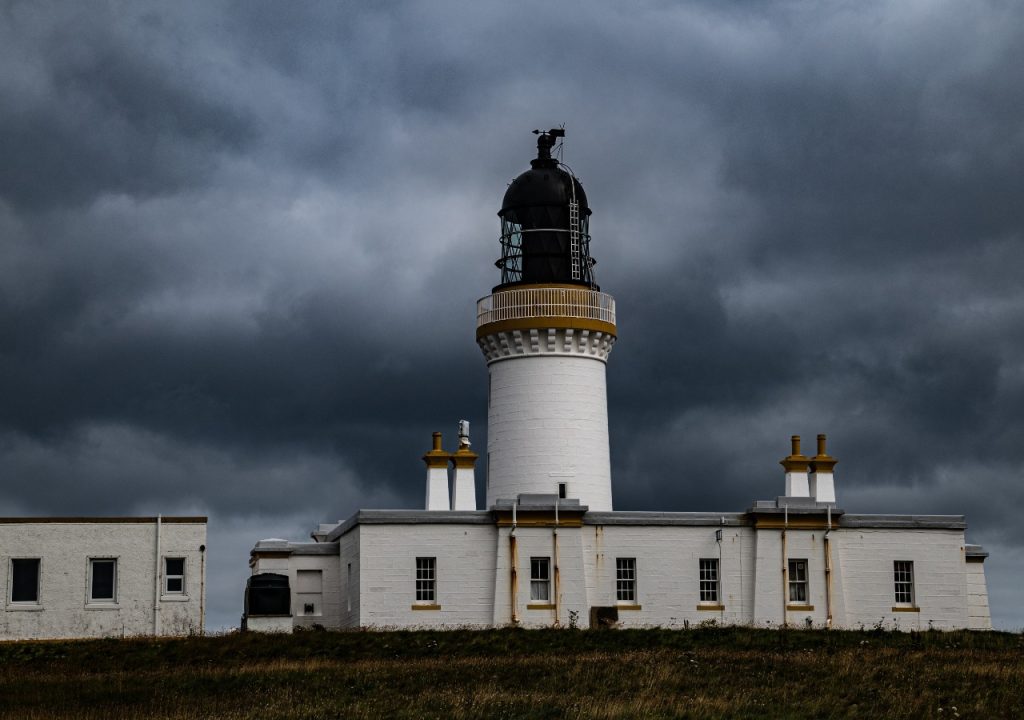
The lighthouse sits at the tip of the Noss Head peninsula, a rugged stretch of land on the north-east coast of Caithness that looks out across Sinclair’s Bay. Completed in 1849, it was built to guide ships safely through these challenging, exposed waters. The weather in Wick, Scotland, can be quite changeable, and it’s not unusual for strong winds to sweep in off the North Sea. Paired with hidden reefs, navigation can be particularly hazardous for fishing and trading ships.
Today, people come here mainly for the scenery, and it’s easy to see why. The walking paths around the headland open up into sweeping coastal views. On calmer days, you’ll often see seabirds gliding above. If you look out far enough to see, there’s always a chance of spotting seals or even dolphins.
Where is Wick?
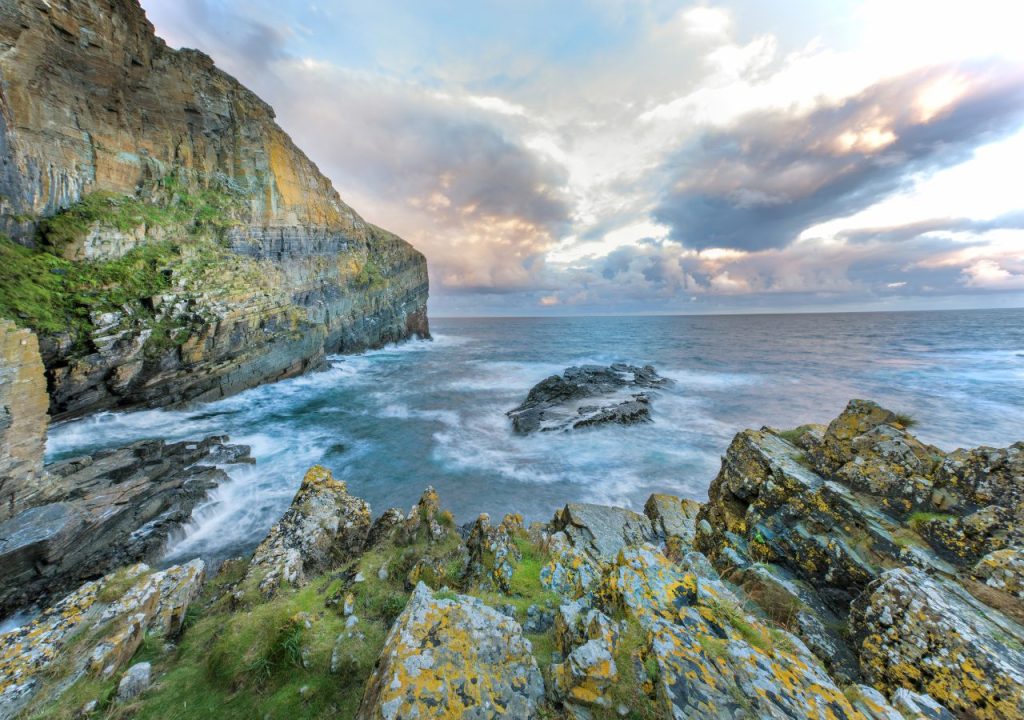
Wick, Scotland, is a coastal town in the historic county of Caithness. It sits where the Wick River meets the North Sea. Geographically, it’s one of the northernmost towns on the Scottish mainland. It’s roughly 20 miles (32 km) south of John o’ Groats, one of the UK’s most well-known landmarks.
Discover places to stay in Wick, Scotland: Start with the Ulbster Hotel
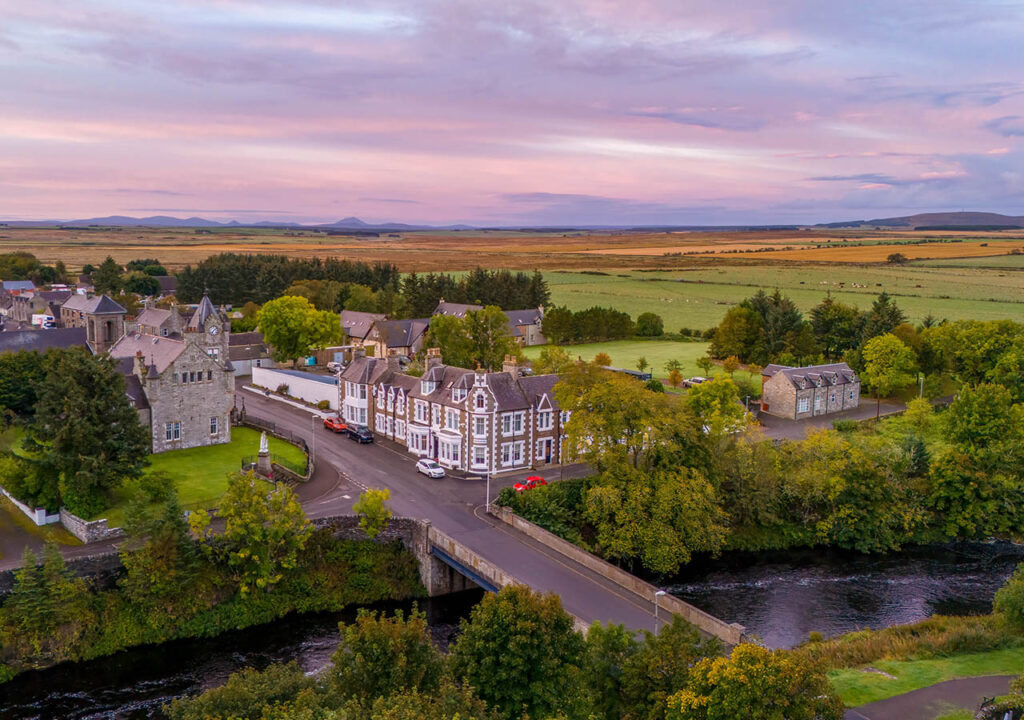
If you’re looking for a more comfortable and luxurious place to stay in Wick, Scotland, the Ulbster Arms is a well-positioned base for exploring the wider Caithness area. It’s ideally placed for visiting the highlights of Wick. Plus, it also works well as a stopover for journeys towards John o’ Groats, Thurso and Scrabster.
The Ulbster Arms Hotel also offers dog-friendly rooms, making it easy to bring your four-legged companion along for the trip. So, what are you waiting for? If you’re planning a trip to Wick, Scotland, book your accommodation today.